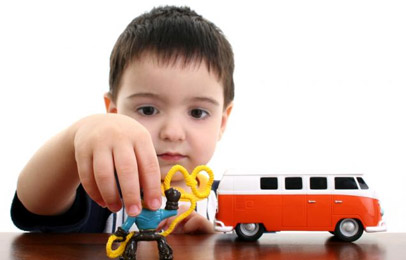
In a previous post in September 2010, I discussed some concepts pertaining to “trauma informed art therapy.” Over the past few months, Dr. William Steele and I have been working on a new book called Trauma Informed Practices with Children and Adolescents. How we apply trauma informed principles to assessment and evaluation of children and teens is an important part of this book. Trauma informed practices do not only apply to interventions, relationships, and environments inherent to our work with traumatized young people; we also can apply these principles to how we evaluate individuals, especially those who have experienced chronic abuse, neglect, interpersonal violence, and other challenges during their lives. There are several excellent trauma informed assessments that evaluate multiple dimensions, including physical and medical status, cognition, psychosocial issues, and the impact of trauma itself. However, how do we capture additional information that may be missed through standardized, paper and pencil assessments or parental, caretaker, or professional observations? Trauma informed assessment also includes evaluation of the sensory experiences of children—in other words, how the mind and body respond to traumatic events and the flight, fight, or freeze responses of the individual. It also includes the recognition that these responses are adaptive coping strategies rather than pathological reactions. I also believe that trauma informed assessment includes an evaluation of how traumatic events may have impacted neurodevelopment. Neurodevelopment is a term used to describe how the brain develops over the first 20 years or so of the lifespan, from infancy through adolescence into young adulthood. Bruce Perry (2006) and others have presented comprehensive theories about what neurodevelopment and specifically, neurosequential development entail. In order to fully understand and evaluate sensory responses in young clients, sensory-based methods of assessment are necessary. These can include many types of action-oriented activities, but the most widely applied involve art and play-based protocols, many of which are found in the fields of art therapy and play therapy. Why art and play? Because for children and adolescents who may not be comfortable with standardized, more cognitively-based assessments, they have an opportunity to use materials, media, toys, and props to give us a series of snapshots about their experiences, trauma reactions, and worldview. Because there are identifiable developmental sequences for play and art expression over the first decade of life, applying this knowledge to child clients provides another way to use the senses to engage individuals in treatment. And, as most of you already know, art and play are child-appropriate forms of communication that allow for a wide-range of expression and for many, a way to tell us about their terrors when words are not available. Finally, in using sensory means to conduct assessments (especially in a trauma informed, culturally sensitive way), isn’t it nice that many children will find a degree of self-soothing in using toys, paint, or props to communicate their perceptions, feelings, and experiences to you? This is one of the core principles of trauma informed work—to create a sense of safety through all interactions and to capitalize on positive relational aspects between helping professionals and young clients as much as possible. Look forward to reading more about this topic as Bill Steele and I finish up the book! Until next time, be well, Cathy Malchiodi, PhD, LPAT, LPCC
Reference Perry, B.D. (2006) The Neurosequential Model of Therapeutics: Applying principles of neuroscience to clinical work with traumatized and maltreated children In: Working with Traumatized Youth in Child Welfare (Ed. Nancy Boyd Webb), The Guilford Press, New York, NY, pp. 27‐52.
Everyone is looking for a way to make their resume stand out in today’s job market. One way to do that is by giving your resume some visual appeal. Well-designed resumes with color and images can attract attention over those with plain old text.
That’s not to say everyone should add pictures to their resume. A graphical layout might not be for everyone, nor appropriate for every profession and industry. And if you don’t have an artist’s eye (or a favor to call in to a graphic designer), attempting something like this might not work out to your advantage.
But if you know what you’re doing, and need a little inspiration, here are 10 digital resumes with some very cool visuals.
The L.A. painter established a clinical art therapy program combining art and counseling at Cedars-Sinai Medical Center and graduate departments at two schools.
By Claire Noland, Los Angeles Times
February 26 2011
Helen B. Landgarten, a Los Angeles artist and pioneering art therapist who established a clinical art therapy program at Cedars-Sinai Medical Center and graduate departments in art therapy at Immaculate Heart College and Loyola Marymount University, has died. She was 89.
As an art therapist and a musician, I completely understand the power of music therapy. (I've even thought about going back to school for a music therapy degree, but the opportunity hasn't presented itself yet.) Here's some great reports about our cousin in the creative arts therapies.
TUSCALOOSA, Ala. (WIAT) Listening to music can put you in a good mood, but on-going research proves it can literally improve a person's overall health.
On-going research has shown that playing live, structured and uncomplicated music for infants can decrease heart rates, increase oxygen intake, lower cortisol levels and facilitate development. Certified practitioners say music therapy can sometimes reach patients in ways other therapies cannot.
The University of Alabama is the only school in the state offering a degree in Music Therapy and as CBS 42's Leigh Garner reports, the benefits of a good song could be life changing.
The University of Alabama is the only school in the state with a program and degree for Musical Therapy. Department heads and professors run clinicals at various facilities as part of the degree requirements and to further their research. In recent studies they have discovered playing live, simple, and structured music can actually lower stress levels in adults and children. In premature babies, musical therapy also decreases the amount of time many infants must stay in the hospital. Practicioners say the difference musical therapy can make in a patient's life is visible and recognizable, while it can also provide financial benefits for hospitals and insurance providers.
September is Childhood Cancer Awareness Month. Every day in the United States, 46 children are diagnosed with cancer. One
out of five don't survive treatment, but music is helping young patients heal emotionally and physically.
Eleven-year-old Alex Harkins has been coming to Texas Children's Hospital since before she could talk.
"I had a tumor on my liver," Harkins told Ivanhoe.
Doctors removed it, but during follow up visits, she discovered a special place here -- a recording studio where kids write down their feelings and put them to music.
"Anything that kids can do that brings them joy helps to boost their immune system," Anita Kruse, founder of Purple Songs Can Fly at Texas Children's Hospital in Houston, Texas, explained.
Research shows music helps calm patients during procedures, promotes relaxation and sleep, and reduces pain and treatment side effects. Harkins has been cancer free for ten years. Her message to other kids
"Don't give up now matter how hard it gets," Harkins said.
Children from around the world have recorded in this studio. Their songs are heard played on Continental Airlines flights. The music recorded at the studio has also flown into space. One of the NASA astronauts took two of the CDs on a shuttle mission to the international space station.
Helen B. Landgarten dies at 89; pioneering art therapist
The L.A. painter established a clinical art therapy program combining art and counseling at Cedars-Sinai Medical Center and graduate departments at two schools.
By Claire Noland, Los Angeles Times
February 26, 2011
Helen B. Landgarten, a Los Angeles artist and pioneering art therapist who established a clinical art therapy program at Cedars-Sinai Medical Center and graduate departments in art therapy at Immaculate Heart College and Loyola Marymount University, has died. She was 89.
Landgarten died Wednesday at Ronald Reagan UCLA Medical Center after suffering a stroke, Loyola Marymount announced.
In the 1970s, Landgarten helped legitimize art therapy, which combines art and counseling, on the West Coast. Practitioners say that art therapy can be an effective diagnostic and treatment tool during psychotherapy sessions, particularly with children, adolescents, families and groups.
"I can have a family create some art together and in about a half-hour, by the way they have proceeded — who went first, who went last, the whole mechanism, observing all that — I could tell you what the family system is, what role each person played, how they functioned as a unit," Landgarten said in a 1986 interview with The Times. "Now when people come to a clinic, they don't push and shove each other like they might at home. You know people are on their best behavior, so the art can be symbolic of what happens in their daily lives."
Art also provides mental health patients with a positive, creative outlet and allows them to communicate with others in nonverbal ways, Landgarten said. And the art produced is tangible evidence of the effort made in the treatment process.
A painter, she earned a bachelor of fine arts degree at UCLA in 1963. She was drawn to psychotherapy in the 1960s and '70s, said Debra Linesch, chairman of the graduate department of marital and family therapy at Loyola Marymount.
"As a painter, she recognized the deeper connection between art and the unconscious, one's own inner life," Linesch said in an interview Friday.
Landgarten earned a master's degree in marital and family therapy at Goddard College in Vermont in 1972 and introduced a clinical art therapy practice to Thalians Community Mental Health Center at Cedars-Sinai.
In 1976, she founded a master's degree program in art therapy at Immaculate Heart College in Los Angeles, the first of its kind on the West Coast. After the college closed in 1980, she moved the program to Loyola Marymount. She directed the program and taught courses until 1988, when she retired.
She was the author of academic textbooks, including "Clinical Art Therapy," "Family Art Psychotherapy," "Adult Art Psychotherapy" and "Magazine Photo Collage."
Born Helen Barbara Tapper in Detroit on March 4, 1921, she married Nathan Landgarten in 1942. They had two children, daughter Aleda and son Marc, who survive her.
Funeral services will be at 10 a.m. Sunday at Mount Sinai Memorial Park, 5950 Forest Lawn Drive, Los Angeles.
On occasion of the celebration of the 52nd Annual Meeting of Governors of the Inter-American Development Bank, in Calgary, Alberta, in March of this year, the IDB Cultural Center pays tribute to Canada with an exhibition in Washington, DC entitled “Canadian Impressions,” which gathers twelve printmakers belonging to different regions in Canada. The multicultural background of the artists selected exemplifies just one aspect of the fascinating cultural spectrum of Canada today.
In the words of IDB President Luis Alberto Moreno: “Artists’ expressions reflect their personal experience and their vision of their surroundings, borrowing from history, tradition, memory and identity to help frame their vision of the future. Society itself is changing at an unprecedented pace, driven by fundamental global economic and technological changes. Personal interaction is reformulated, for example, with new communications tools in a digital age. But age-old questions of religion, migration, security, human rights and many other issues also profoundly affect politics and behavior.
“Artists are particularly aware of, and motivated by, the challenges our civilization faces as part of the ongoing evolution of our way of thinking and new methods imagined to maximize progress. They immerse themselves in the problems posed to survival and existence, striving to respond creatively to highlight the experience of life itself, while celebrating the achievements and joys of being human. It is healthy for others to learn from such an attitude and to put it into practice, day after day. This artistic context is perhaps the most significant aspect of this subtle yet powerful exhibition.”
The curator of the exhibition is Félix Ángel, Director of the IDB Cultural Center. The twelve artists were selected from an open call widely disseminated in Canada last year. According to Ángel, “Change is good when it is for the better, of course, but its paradoxical nature entails many risks. While embracing change is not a guarantee of things getting better, not pursuing it condemns us to perennial doubt about what else can be done to improve our lives. Artists are particularly susceptible to change because of their sensibility, their humanistic view of civilization, their holistic concept of the world, and their tendency to be uncompromising with regard to principles. Increasing levels of anxiety are symptomatic of a pattern pervading society these days that needs to be modified.”
The inner dimension of each of the twelve artists selected for this exhibition is reflected in the number of connections one finds between their particular expressions and the many priority issues of the Inter-American Development Bank, as it continues its efforts to forge a better world.
•Briar Craig appears to be motivated by our uncontrolled impulses to respond to quantities of information regardless of its quality and meaning.
•Delio Delgado continues his investigation in the context of his personal realm, in an attempt to assert himself within a cartographical or architectural space, with references to the Diaspora, migration, and the politics of belonging.
•René Derouin’s “quasi-anachronistic” images project a spirit of openness towards the Americas, sustained in the accelerated intercultural character of the region.
•Katie Fife draws from the documentation of memory to the extreme obliteration of intangible realms.
•Joscelyn Gardner uses artifacts found in museum collections as points of departure to examine social narratives on eighteenth- and nineteenth-century Caribbean plantations.
•Michel Gautier’s sculptural prints reformulate nature with “trees” made out of recycled materials and photolithographic techniques that aspire to recapture the spirit of people.
•Vanessa Hall-Patch counterbalances apparent opposites such as permanence and transience.
•Miriam Rudolph focuses on visual diaries that narrate her experiences and perceptions of the different places she has visited, with premeditated consciousness.
•Tracy L. Templeton documents the human presence in places that no longer exist except in memory.
•Todd Tremeer uses allegory to envision parallels between the past and the present, challenging history’s construction.
•Oscar Danilo Vargas’s monotypes embody the fragility of the human being in a fluctuating world. And finally,
•Laura Widmer challenges the digital age, choosing to use a traditional process to create images that are focused on individuals and the standards and practices of our society.
In sum, “Canadian Impressions” is a dense exhibition camouflaged with a deceptive appearance of innocence, lightness, and ingenuity; it is reinforced with a strong, diverse determination to show sides of a world that tires and suffocates us, but where the promise of a better future is not yet lost. That is, at once, the most disturbing and the most outstanding quality of this exhibition.
Earn Continuing Education Credit hours both medical and non-medical sponsored by the Institute for the Advancement of Human Behavior (IAHB) http://www.iahb.org To register by phone or for further information call ISSTD Headquarters at 703-610-9037, or email info@isst-d.org today!
********** WASHINGTON, DC ISSTD REGIONAL SEMINAR - Earn up to 12 CE/CME Credits
UPDATE ON CHRONIC COMPLEX TRAUMA AND DISSOCIATIVE DISORDERS
---A Series of 4 Workshops on 2 Fridays---
--Attend Any or ALL--
Workshop 1: Borderline or Dissociative (and Does it Make a Difference?): The Diagnosis and Differential Diagnosis of Dissociative Disorders Bethany Brand, Ph.D. Friday, March 18, 2010, 8:30am - 12:00pm
Workshop 2: Group Psychotherapy for Complex Trauma and Dissociation: Applying Principles to Individual and Group Therapy Diane Adelstein, Ph.D. Friday, March 18, 2010, 1:00pm - 4:00 pm
Workshop 3: Sexual Acting Out as a Symptom of Dissociative Disorders: Clinical Presentations and Approaches for Management Richard Chefetz, M.D. Friday, April 1, 2011, 8:30am - 12:00pm
Workshop 4: Suicidality, Homicidality, and Self-Harm: Who is at Risk and How can it Be Understood and Managed? Joan Turkus, M.D. Friday, April 1, 2011, 1:00pm - 4:00pm
Editor’s note: It takes a series of unfortunate circumstances for an adolescent to turn violent. While early exposure to familial violence can play a role, so too can biological influences such as hormone levels and genetic predispositions. The combination of these factors can be deadly. Although genes and other biological causes are difficult to identify and may be impossible to overcome through known therapeutic methods, medical professionals’ intervention techniques can help minimize aggressive behavior related to environmental factors.
“Scientists have already given us a good idea of the general conditions in which tornadoes form. It is the details that still need to be understood—in particular, the mixture of air pressure, temperature, and air circulation in which tornadic thunderstorms evolve…Why do some severe thunderstorms produce tornadoes while others do not? If scientists could find out the conditions in which [tornadic thunderstorms otherwise known as] supercells arise, there would be fewer instances of tornadoes spinning up without warning...”1
It is every bit as complicated for a baby to develop into a violent adolescent as it is for a tornado to form on a beautiful spring day in Kansas. In each case, a complex, dynamic system needs to develop from multiple convergent elements, and researchers are only beginning to understand how these elements interact with one another.2
A 25-year longitudinal study of 926 babies in Christchurch, New Zealand, supports the idea that certain variables are good predictors that a child will develop aggressive behavior by adolescence. These predictors include poverty, changes in caregivers (as in foster care situations), childhood exposure to abuse and violence, parental substance abuse, maternal smoking during pregnancy, being male, having a lower IQ, and gravitating to conduct-disordered peers. These predictors might better be considered as associated risk factors that often occur together. But all of them together account for only about 40 percent of the probability that a child will develop a conduct disorder in adolescence.3 What is missing? Researchers conducting epidemiologic studies have recently begun examining the genetic, developmental, and deeper psychological factors—and interactions among them—to see if they can account for the other 60 percent.
Parent-Child Attachment
The study of human attachment, especially between a young child and parent, has led to consistent findings across many populations and cultures. Central to these has been the identification of risk factors for the perpetuation of violence and maltreatment across generations. John Bowlby, the father of attachment theory, began his clinical observations of teenagers with conduct disorders in his paper “Forty-four Juvenile Thieves: Their Characters and their Home-Life.”4 The mental representation of these 44 youths’ attachment relationships yielded a concept that Bowlby called “internal working models of attachment.”5,6 Some children who experience parental abuse go on to become violent; they may retain a working model of what it is like to be in a relationship with an abusive parent who dominates aggressively and a co-parent who is victimized.7 Among people who are maltreated or exposed to family violence as children, about one-third will become violent; another third will remain at risk to become violent toward their children or their romantic partner.8,9 In a prospective study, harsh, excessively punitive and abusive parenting during preschool predicted aggressive behavior by a child toward his or her peers in elementary school more strongly than other child- and family-related variables such as child hyperactivity, family poverty, or teenaged parents.10
The majority of studies of child-parent attachment are performed when a child is 12 to 24 months old using a simple laboratory procedure called the Strange Situation Paradigm.11 This observational measure helps determine a child’s level and type of attachment to a parent based on the reaction when a parent enters, leaves, and re-enters a room. The child’s reactions are categorized as either secure or insecure, based on the child’s ability to approach and to communicate having missed the returning parent, as well as the ability to accept comfort and to resume play and exploration of toys with the parent. The disorganized/disoriented pattern of insecure attachment is characterized by the child’s paradoxical approach and avoidance of the parent when the parent re-enters the room after separation during this paradigm. This pattern is further characterized by freezing and inconsistent strategy for relating to an attachment figure. A child might, for example, approach his returning mother but with his eyes closed, or he might stay at the door when his mother re-enters the room and then glance fleetingly toward her from a distance. Children who display this disorganized, disoriented pattern of insecure attachment behave more aggressively over time.12 By ages three to five, many of these children try to act like they are the ones in charge as a way of taking control of relationships with others rather than being at the mercy of others’ unpredictable behavior—they may boss others around or take care of others like a parent would.13 What leads some of these children to develop and maintain prominent aggressive, even violent, behavior into adolescence and adulthood?
Children with abusive parents have to maintain the illusion of being safe and protected by separating positive memories of their caretakers from frightening memories and suppressing the latter.14 An adaptive way for children to do this is to split or dissociate experiences, compartmentalizing memories in order to continue to depend on someone they fear.15 If they carry this pattern of dissociation to nonthreatening relationships, though, what had been adaptive becomes pathological, rigid, and overly simplified. Over time, people who have had to hide their violent experiences from themselves and others may develop a tendency to be both suddenly explosive and menacing, as well as to choose blindly to be with others who are violent toward them.16 They cannot form a realistic picture of their disturbed caregivers without the help of an outside perspective. They begin to assume that others with whom they have an important relationship are dangerous and thus either must be attacked or avoided at all cost.
From Generation to Generation
What happens when violence-exposed individuals have children? Is there an environmental risk for the development of aggression in their offspring? In three studies, parents who suffered from violence-related post-traumatic stress disorder, or PTSD, were found to have difficulty detecting and responding to their young child’s attempts to connect with them. They especially had trouble putting up with and setting limits on the typical distress, helplessness, and aggression that parents of young children encounter—they had trouble saying no and dealing with tantrums and day-to-day separation.17,18
My laboratory’s research has a different emphasis: the effects of typical day-to-day toddler distress (i.e., separation anxiety and temper tantrums).19,20 When we followed up on families who had been in our study, we found that we could predict the severity of poorly regulated child aggression based on the severity of maternal, violence-related PTSD we had seen earlier.21 In addition, a pattern of four symptoms in the child—recklessness, hypervigilance, separation anxiety, and reversal of parent-child roles—cluster into a constellation called secure base distortion, in which the child is bossy, controlling, and aggressive.13 Violence in the child’s life as well as in the parents’ history may contribute to risk in terms of modeling a specific behavior (or “identifying with the aggressor,” as Anna Freud suggested)22 and via a parent’s neglect of the child’s need for checks on his own aggression, as parents often approach such a child’s behavior from the point of view of a helpless victim rather than an empowered caretaker.
Other Biological and External Factors
Biology also can play a role in the development of violence in adolescents. Minor congenital anomalies and obstetrical complications have been associated with violence in adolescence,23 although obstetrical complications may be a marker of family adversity more than a cause. The neurological consequences of complications, such as mild oxygen deprivation at birth, may interact with family adversity to increase the risk that the child will develop aggressive behavior. What initially appear to be constitutional factors may be secondary effects of social risk factors such as poverty and other family adversity.24
Another popular theory used to explain the development of aggressive behavior in recent decades, particularly in the wake of the killings at Columbine High School, is that violent media adversely affect the developing brain.25 In and of itself, violence in video games and other visual media is not likely to lead to the development of aggressive behavior; rather, it may exacerbate pre-existing difficulties.26 A recent study has shown that mothers 'r way around, as this says. apears page cited—nor on any other that I could fexposed to real-life violence, suffering from PTSD, and living in high-risk, inner-city households tend to gravitate toward such media and expose their young children to it.27
Developmental neurocognitive disturbances that impede verbal communication and go untreated also have been shown to increase the risk for development of violent behavior.28 Disturbances in the parent-child relationship that lead to understimulation can aggravate such deficits.29 These difficulties can interact with the attachment-theory-based notion of the development of mentalization, the ability to consider the thoughts and feelings of oneself and others.30 By fostering mentalization and communication skills among the parents who can then both model and stimulate the development of these skills with their children, we might help diminish the likelihood of aggressive behavior when addressing interpersonal conflict.31 In other words, by encouraging parents to be conscious of what they think and feel about their child’s expressions, gestures, play, and words, and then to consider what their child might be thinking and feeling at a given moment at their particular age, parents can improve important features of their relationships with their children.19
Sex and Genes
Researchers have found that both our sex and our genes are associated with the development of violence. Males commit the vast majority of violent crimes. A recent study of 90 nine-year-old children showed that the next strongest correlation, after male sex, is high androgen levels, which constitutes a biological marker to consider in relation to individual differences in aggressive behavior. Generally, the more testosterone, the more aggression.32,33 Testosterone is thought both to alter neuronal activity in particular regions of the brain that produce the neurotransmitters dopamine and serotonin and to affect the reuptake of serotonin. Excessive dopamine and low levels of serotonin in the central nervous system have been associated with increased aggression in primates.34
We are also born with certain intrinsic risks for developing serious psychiatric disorders, researchers believe. Adults with psychotic disorders such as bipolar disorder and schizophrenia, who may also be dealing with substance abuse and severe personality disorders, are often thought to be at greater risk for violence—and, often, to have been so since childhood or adolescence. If someone has difficulty telling what is real from what is imagined and has an additional condition such as substance abuse that reduces inhibition, the likelihood of carrying out violence is obviously greater.35,36 Even so, having multiple forms of severe psychopathology alone does not guarantee that a person is violent. Nearly all forms of psychopathology, including post-traumatic stress disorder,37 involve risks related both to genes and to gene-environment interaction during development.
Can genetic variations, or polymorphisms, in key regions of the brain predict the development of aggressive behavior? Polymorphisms reflect differences in DNA sequences among individuals, groups, or populations. Genetic polymorphisms might account for an individual having blue or green eyes, straight or curly hair, or being behaviorally inhibited or impulsive. When a particular environmental condition is thought to exert an influence on a person significantly more often or exclusively when a specific polymorphism is present, a gene-environment interaction is thought to take place. In psychiatry, two of the fundamental gene-environment interactions involve early-childhood stress interacting with a variation of the serotonin transporter gene that is known as the short allele of the 5-HTTLPR. The interaction of this variation with stress from an adverse environment can lead to anxiety and depression in parents and children. It also can increase the risk for child maltreatment. For example, post-traumatic stress as a specific form of anxiety in the parent is associated with increased parental difficulty in reading child social cues. Another gene variation, called the MAO-A low activity allele, is associated with aggressive behavior.38,39
Both of these polymorphisms center on the metabolism of two monoamine-type neurotransmitters: serotonin and dopamine. And both polymorphisms lead to increased levels of these two neurotransmitters in the brain. The short-allele of the serotonin transporter 5-HTTLPR gene is associated with increased levels of serotonin in the brain as compared to the long allele. The low-activity MAO-A fails to break down serotonin and norepinephrine—a dopamine-derived neurotransmitter that is associated with fear conditioning—and leads to elevated levels of serotonin and dopamine in the brain. A buildup of these monoamine-type neurotransmitters together can theoretically contribute to impulsivity and specifically to violent behavior. But, incongruously, insufficient serotonin alone in the nervous system is also thought to be a marker of violent behavior. And the short allele of the serotonin transporter 5-HTTLPR gene is thought to be associated with increased levels of serotonin in the central nervous system more than the long allele. This incongruity—whether it is too little or too much serotonin available in the nervous system—plus the fact that serotonergic pathways originating in the brain stem involve multiple brain regions and change across human development—make it very hard to forecast the role of the serotonergic system in the development of violent tendencies in a given person across the lifespan.40 In addition, people suffering from a variety of head injuries and temporal lobe epilepsy have displayed aggressive behavior, but never in a manner that would allow scientists to define a physical pathway of aggression. Little specific anatomical intervention, therefore, can absolutely and specifically stop aggressive behavior.
Genetic and environmental conditions may interact to produce an aggressive, “tornadic” individual, but the interactions can be surprising. Gene-environment interactions predicting aggression appear to be genetically more complex than first thought in the early 2000s. For example, the short allele of the serotonin transporter gene 5-HTTLPR is most commonly associated with anxiety and depression in the presence of an adverse environment.39 However, an environmental factor may not always be needed. Two studies suggest that aggressive behavior is associated with distinct variations in two different genes: the serotonin transporter gene and the 7-repeat allele of the dopaminergic receptor gene DRDR.41,42 What underlies this association is not well understood and requires further study. This example of clinically significant interactions between genes and environmental conditions leading to aggression in people with particular genetic features and environmental influences is but one of many types of gene-gene and gene-gene-environmental interactions that researchers still must identify.
Other polymorphisms are implicated in the development of aggressive behavior. Among these are catechol-o-methyltransferase (COMT), which at low activity fails to degrade noradrenaline, leading to a more likely fight response; and brain-derived neurotrophic factor (BDNF), which at higher levels in the hippocampus may also be associated with aggressive behavior.43,44 We do not yet understand how genes interact, nor do we understand how different environmental exposures might interact. It remains unknown how abrupt environmental shifts, such as those experienced in immigration, transfer into foster care, or adoption, might interact in the context of development to lead to the expression of certain genetic traits and proneness to certain states associated with violent behavior.45
Working to Control the Weather
What forms the tornado in the end? And what makes it mild versus super destructive? Violent behavior emerges in various forms and degrees. That which is reactive to the misreading of others’ intentions differs from that which is self-serving and malevolent, for example. We are desperate to find the causes and antidotes for all forms and degrees of aggressive behavior: We want to identify the bad allele(s) and the negative environmental conditions that interact and contribute to violence. Even labeling this allele or that environment as a prerequisite for violent behavior is not so simple. We have come to understand that certain alleles may promote plasticity, a potentially positive characteristic that enables adaptation to more stressful or less stressful environments. Such an allele can create a beneficial adaptation in good conditions and a detrimental adaptation in adverse conditions. Such adaptations have been compared to a rare and beautiful orchid that blooms under optimal environmental conditions and dies in compromised environments or a common and ordinary dandelion that thrives anywhere.46,47 In a positive caregiving environment, for example, a person with a short allele of the serotonin transporter gene 5-HTTLPR(found to be associated with depression and anxiety in a context of adversity) can actually adapt better than someone with the long allele, who is missing the same degree of plasticity and sensitivity to the environment.
In our current studies in Geneva, we are trying to understand what causes children of abused mothers to be more likely to show aggressive or conflict-avoidant behaviors over time. We may be promoting a new discipline of “psychiatric meteorology” in the process. While we cannot yet effectively change genes or congenital givens, we can improve evidence-based interventions that result in a change in the caregiving environment at the level of parental mental representations of child and self, the interactive behavior between mother and child, or the child’s individual development. The goal is to create better warning systems in the event that the vulnerable child early in development blows up into a severe storm.
In the end, our tornado analogy goes only so far. We may be in a much better position to effect change in the psychobiological atmosphere than in the Earth’s atmosphere. Multiple parent-infant psychotherapeutic interventions have been shown empirically to change the parent-child relationship at the level of mental representation, behavior, and /or child development so as to decrease risk for violence and increase healthy adaptation, growth, and learning.48
Recent research shows that relationship-based interventions, while not altering DNA, might be associated with epigenetic brain changes, such as the addition of methyl groups to the proteins that surround DNA and turn on and off the possibility of generating proteins with important brain functions.49,50 In Geneva, we are currently studying how a simple, three-session, relationship-based parent intervention called the Clinician Assisted Videofeedback Exposure Sessions, or CAVES, is significantly changing the quality of mothers’ mental representations of their toddlers, such that the representations become more positive and consistent with the child’s actual age.19 We are working toward understanding how changes in caregiving following this intervention might affect the methylation of several genes that are linked to stress reactivity, fear conditioning, and fight-or-flight behavior in child and mother.
The videofeedback exposure sessions involve asking violence-exposed, traumatized mothers how they think both they and their child were feeling during videotaped play observations. We ask both before and after showing them very short video excerpts of their young child’s “storms,” or distress during separation, frustration, and introduction to novel, sometimes frightening, play stimuli. This intervention models mentalization such that in the calm after the storm, parents can access their own capacity to think about their children’s experience from the children’s point of view as much as possible. In so doing, they can more sensitively read their children’s emotional communication—they might read it as “scared” rather than “angry and controlling,” for example. We are now testing our hypothesis that with an adequate dose and reinforcement of new memories generated by such interventions, future storms will not form such destructive tornadoes.
References
1. Maslin, M. (2002). The coming storm: The true causes of freak weather—and why it’s going to get worse. London: Quarto Publishing.
2. Smith, L. B., & Thelen, E. (2003). Development as a dynamic system. Trends in Cognitive Sciences, 7(8), 343-348.
3.Boden, J. M., Fergusson, D. M., & Horwood, L. J. (2010). Risk factors for conduct disorder and oppositional/defiant disorder: Evidence from a New Zealand birth cohort. Journal of the American Academy of Child and Adolescent Psychiatry,49(11), 1125-1133.
4. Bowlby, J. (1944). Forty-four juvenile thieves: Their characters and their home-life. International Journal of Psycho-Analysis, 25, 107-128.
5. Bowlby, J. (1969). Attachment (Vol. 1). New York, NY: Basic Books.
6. Bowlby, J. (1980). Loss: Sadness and depression (Vol. 3). London: Hogarth Press.
7. Bowlby, J. (1988). A secure base: Parent-child attachment and healthy human development. New York, NY: Basic Books.
8. Oliver, J. E. (1993). Intergenerational transmission of child abuse: Rates, research, and clinical implications. American Journal of Psychiatry, 150(9), 1315-1324.
9. Martin, S. L., Moracco, K. E., Garro, J., Tsui, A. O., Kupper, L. L., Chase, J. L., & Campbell, J. C. (2002). Domestic violence across generations: Findings from northern India. International Journal of Epidemiology, 31(3), 560-572.
10. Barker, E. D., Boivin, M., Brendgen, M., Fontaine, N., Arseneault, L., Vitaro, F., … Tremblay, R.E. (2008). Predictive validity and early predictors of peer-victimization trajectories in preschool. Archives of General Psychiatry, 65(10), 1185-1192.
11. Ainsworth, M. D. S., Blehar, M. C., Waters, E., & Wall, S. (1978). Patterns of attachment: A psychological study of the strange situation. Hillsdale, NJ: Lawrence Erlbaum Associates.
12. Fearon, R. P., Bakermans-Kranenburg, M. J., van Ijzendoorn, M. H., Lapsley, A. M., & Roisman, G. I. (2010). The significance of insecure attachment and disorganization in the development of children’s externalizing behavior: A meta-analytic study. Child Development, 81(2), 435-456.
13. Moss, E., Cyr, C., & Dubois-Comtois, K. (2004). Attachment at early school age and developmental risk: Examining family contexts and behavior problems of controlling-caregiving, controlling-punitive, and behaviorally disorganized children. Developmental Psychology, 40(4), 519-532.
14. Main, M., & Hesse, E. (1990). Parents’ unresolved traumatic experiences are related to infant disorganized attachment status: Is frightened and/or frightening parental behavior the linking mechanism? In M. T. Greenberg, D. Cichetti, & E. M. Cummings (Ed.), Attachment in the preschool years: Theory, research and intervention (pp. 161-184). Chicago, IL: University of Chicago Press.
15. Liotti, G. (1999). Understanding the dissociative processes: The contribution of attachment theory. Psychoanalytic Inquiry, 19, 757-783.
16. Ayoub, C. C., Fischer, K. W., & O’Connor, E. E. (2003). Analyzing development of working models for disrupted attachments: The case of hidden family violence. Attachment and Human Development, 5(2), 97-119.
17. Cohen, L. R., Hien, D. A., & Batchelder, S. (2008). The impact of cumulative maternal trauma and diagnosis on parenting behavior. Child Maltreatment, 13(1), 27-38.
18. Schechter, D. S., Coates, S. W., Kaminer, T., Coots, T., Zeanah, C. H., Davies, M., … Myers, M. M. (2008). Distorted maternal mental representations and atypical behavior in a clinical sample of violence-exposed mothers and their toddlers. Journal of Trauma and Dissociation, 9(2), 123-147.
19. Schechter, D. S., Myers, M., Brunelli, S., Coates, S., Zeanah, C., Davies, M., … Liebowitz, M. R. (2006). Traumatized mothers can change their minds about their toddlers: Understanding how a novel use of videofeedback supports positive change of maternal attributions. Infant Mental Health Journal, 27(5), 429-447.
20. Schechter, D. S., Willheim, E., Hinojosa, C., Scholfield-Kleinman, K., Turner, J. B., McCaw, J., … Myers, M. M. (2010). Subjective and objective measures of parent-child relationship dysfunction, child separation distress, and joint attention. Psychiatry, 73(2), 130-144.
21. Schechter, D. S., Zygmunt, A., Coates, S., Davies, M., Trabka, K., McCaw, J., … Robinson, J. (2007). Caregiver traumatization adversely impacts young children’s mental representations on the MacArthur story stem battery. Attachment and Human Development, 9(3), 187-205.
22. Freud, A. (1937). The ego and the mechanisms of defence. (C. Baines, Trans.). London: Hogarth. (Original work published 1936).
23. Pine, D. S., Wasserman, G. A., Fried, J. E., Parides, M., & Shaffer, D. (1997). Neurological soft signs: One-year stability and relationship to psychiatric symptoms in boys. Journal of the American Academy of Child and Adolescent Psychiatry, 36(11), 1579-1586.
24. Arseneault, L., Tremblay, R. E., Boulerice, B., & Saucier, J. F. (2002). Obstetrical complications and violent delinquency: Testing two developmental pathways. Child Development, 73(2), 496-508.
25. Bushman, B. J., & Huesmann, L. R. (2006). Short-term and long-term effects of violent media on aggression in children and adults. Archives of Pediatrics and Adolescent Medicine, 160(4), 348-352.
26. Ferguson, C. J., & Kilburn, J. (2009). The public health risks of media violence: A meta-analytic review. Journal of Pediatrics, 154(5), 759-763.
27. Schechter, D. S., Gross, A., Willheim, E., McCaw, J., Turner, J. B., Myers, M. M., … Gleason, M. M. (2009). Is maternal PTSD associated with greater exposure of very young children to violent media? Journal of Traumatic Stress, 22(6), 658-662.
28. Seguin, J. R., Parent, S., Tremblay, R. E., & Zelazo, P. D. (2009). Different neurocognitive functions regulating physical aggression and hyperactivity in early childhood. Journal of Child Psychology and Psychiatry, 50(6), 679-687.
29. Skovgaard, A. M. (2010). Mental health problems and psychopathology in infancy and early childhood. An epidemiological study. Danish Medical Bulletin, 57(10), B4193.
30. Fonagy, P., Steele, H., Moran, G., Steele, M., & Higgitt, A. (1991). The capacity for understanding mental states: The reflective self in parent and child and its significance for security of attachment. Infant Mental Health Journal, 13, 200-217.
31. Fonagy, P., & Luyten, P. (2009). A developmental, mentalization-based approach to the understanding and treatment of borderline personality disorder. Development and Psychopathology, 21(4), 1355-1381.
32. Maras, A., Laucht, M., Gerdes, D., Wilhelm, C., Lewicka, S., Haack, D., … Schmidt, M.H. (2003). Association of testosterone and dihydrotestosterone with externalizing behavior in adolescent boys and girls. Psychoneuroendocrinology, 28(7), 932-940.
33. Sanchez-Martin, J. R., Azurmendi, A., Pascual-Sagastizabal, E., Cardas, J., Braza, F., Braza, P., …Muñoz, J. M. (2010). Androgen levels and anger and impulsivity measures as predictors of physical, verbal and indirect aggression in boys and girls. Psychoneuroendocrinology. Retrieved from http://www.elsevier.com/locate/psyneuen
34. Krakowski, M. (2003). Violence and serotonin: Influence of impulse control, affect regulation, and social functioning. Journal of Neuropsychiatry and Clinical Neurosciences, 15(3), 294-305.
36. Fazel, S., Buxrud, P., Ruchkin, V., & Grann, M. (2010). Homicide in discharged patients with schizophrenia and other psychoses: A national case-control study. Schizophrenia Research, 123(2-3), 263-269.
37. Binder, E. B., & Nemeroff, C. B. (2010). The CRF system, stress, depression and anxiety—insights from human genetic studies. Molecular Psychiatry, 15(6), 574-588.
38. Caspi, A., McClay, J., Moffitt, T. E., Mill, J., Martin, J., Craig, I. W., … Poulton, R. (2002). Role of genotype in the cycle of violence in maltreated children. Science, 297(5582), 851-854.
39. Caspi, A., Sugden, K., Moffitt, T. E., Taylor, A., Craig, I. W., Harrington, H., … Poulton, R. (2003). Influence of life stress on depression: Moderation by a polymorphism in the 5-HTT gene. Science, 301(5631), 386-389.
40. Cases, O., Seif, I., Grimsby, J., Gaspar, P., Chen, K., Pournin, S., … De Maeyer, E. (1995). Aggressive behavior and altered amounts of brain serotonin and norepinephrine in mice lacking MAOA. Science, 268(5218), 1763-1766.
41. Schmidt, L. H., Fox, N. A., & Hamer, D. H. (2007). Evidence for a gene-gene interaction in predicting children’s behavior problems: Association of serotonin transporter short and dopamine receptor D4 long genotypes with internalizing and externalizing behaviors in typically developing 7-year-olds. Development and Psychopathology, 19(4), 1105-1116.
42. Hohmann, S., Becker, K., Fellinger, J., Banaschewski, T., Schmidt, M. H., Esser, G., & Laucht, M. (2009). Evidence for epistasis between the 5-HTTLPR and the dopamine D4 receptor polymorphisms in externalizing behavior among 15-year-olds. Journal of Neural Transmission, 116(12), 1621-1629.
43. Perroud, N., Jaussent, I., Guillaume, S., Bellivier, F., Baud, P., Jollant, F., … Courtet, P. (2010). COMT but not serotonin-related genes modulates the influence of childhood abuse on anger traits. Genes, Brain and Behavior, 9(2), 193-202.
44. Monuteaux, M. C., Biederman, J., Doyle, A. E., Mick, E., & Faraone, S. V. (2009). Genetic risk for conduct disorder symptom subtypes in an ADHD sample: Specificity to aggressive symptoms. Journal of the American Academy of Child and Adolescent Psychiatry, 48(7), 757-764.
45. Grigorenko, E. L., De Young, C. G., Eastman, M., Getchell, M., Haeffel, G. J., Klinteberg, B., … Yrigollen, C. M. (2010). Aggressive behavior, related conduct problems, and variation in genes affecting dopamine turnover. Aggressive Behavior, 36(3), 158-176.
46. Belsky, J., Jonassaint, C., Pluess, M., Stanton, M., Brummett, B., & Williams, R. (2009). Vulnerability genes or plasticity genes? Molecular Psychiatry, 14(8), 746-754.
47. Boyce, W. T., & Ellis, B. J. (2005). Biological sensitivity to context: I. An evolutionary-developmental theory of the origins and functions of stress reactivity. Development and Psychopathology, 17(2), 271-301.
49. Champagne, F., & Meaney, M. J. (2001). Like mother, like daughter: Evidence for non-genomic transmission of parental behavior and stress responsivity. Progress in Brain Research, 133, 287-302.
50. van Ijzendoorn, M. H., Caspers, K., Bakermans-Kranenburg, M.J., B., S.R., & Philibert, R. (2010). Methylation matters: Interaction between methylation density and serotonin transporter genotype predicts unresolved loss or trauma. Biological Psychiatry, 68(5), 405-407.
About Daniel S. Schechter, M.D.
Daniel S. Schechter, M.D., is a child and adolescent psychiatrist and clinical researcher with specialization in early childhood mental health and post-traumatic stress. He is director of parent-infant research and the Pediatric Consult-Liaison Unit at the University of Geneva Hospitals and associate professor (privat-docent) in psychiatry at the University of Geneva Faculty of Medicine. Schechter completed his clinical and research training at Columbia University, where he continues to serve as adjunct assistant professor of psychiatry. His most recent book, co-edited with Carol Worthman, Paul Plotsky, and Constance Cummings, is Formative Experiences: The Interaction of Caregiving, Culture, and Developmental Psychobiology (Cambridge University Press, 2010).
Below is a message from an Australian art therapist who will be visiting the US and is interested in meeting with other art therapist or mental health professionals working with trauma survivors. If you're interested in meeting with her, please contact her at: firesun@bigpond.com Thank you.
I am an Art therapist in Australia applying for a Churchill Fellowship which gives me the opportunity to investigate and research Art therapy and trauma. I was wanting to visit hospitals, clinics, programmes or individuals who work in this area.
I am interested in exploring Art therapy and combat related trauma, also survivors of torture and trauma, and also childhood abuse.
Could you assist me in connecting me with individuals, programs or clinics who are specializing or work in this area?
If you know of anyone who may be interested in art therapy programs for children coping with chronic illness, here is a new opportunity:
Arlington County is launching Coping Creatively, an art therapy group for children and kids of all ages in the greater DC metro area who are coping with chronic illness, like cancer, kidney or heart disease, or diabetes. This dynamic group is for kids who want to have fun and explore new recreational modalities with others who are facing similar challenges.
The expressive art therapy groups are led by Rachel Schreibman, a master's level Art Therapist. The group will engage in visual arts, drumming, cooperative games and more, with the goal of reducing stress, learning new expressive outlets, and connecting kids and families coping with illness.
The group meets at Lee Arts Center located at 5722 Lee Highway in Arlington, VA. The cost per class varies based on the duration of the group, and financial assistance is available. The dates of the program are flexible; currently the group meets Fridays from 4 - 5:30pm, however, the days and times may change based on interested participants' availability. Interested families with kids of all ages should contact Rachel Schreibman at 703-228-1534 or rschreibman@arlingtonva.us to learn more!
The National Capital Area Chapter of the Depression and Bipolar Support Alliance will present a screening of Crooked Beauty, a film by Ken Paul Rosenthal, on Saturday evening February 12th at 7:30 PM, in the George Washington University Hospital Auditorium (basement level).
This program is free and open to the public.The hospital is located at 900 23rd Street, NW, next to the Foggy Bottom Metro Station.There is a parking garage at 22rd and I Streets.
The film is a story set to pictures of Jacks Ashley McNamara, a mental illness advocate, and her experiences of an abused childhood and psychiatric hospitalization as a young adult, and she explores that blurred line between brilliance and madness. The film is beautiful, touching, thought-provoking and prescient.
Ken Paul Rosenthal has been traveling the country presenting screenings of this film at film festivals and for groups such as DBSA. The screening will be followed by a lengthy question and answer session with him.
Crooked Beauty Film Synopsis
Crooked Beauty is a 34-minute poetic documentary that chronicles artist-activist Jacks McNamara’s transformative journey from childhood abuse to psych ward patient to pioneering mental health advocacy. She survived trauma from an alcoholic mother and battled her own substance-abuse issues when diagnosed as ‘bipolar’ at age 19 and incarcerated. Destined to overturn the stigmas usually associated with madness and develop authentic healing models for individuals diagnosed ‘mentally ill’, she co-founds The Icarus Project (theicarusproject.net), an international support network and grassroots media project. Jack’s mission becomes an intense personal quest to live with courage and dignity, and a powerful critique of standard psychiatric treatments. Her poignant and revealing testimonials reach beyond the stereotypes of mental health problems to suggest that extreme sadness and sensitivity is not an illness, but a part of human experience to be explored with creativity and compassion.
Crooked Beauty’s lyrical visual style is integral to its subject matter. The film incarnates a new map for thinking about madness by connecting the fissures and fault lines of human nature to the unstable topography and mercurial weather patterns of the San Francisco Bay Area. Montages of urban and natural landscapes convey the fluctuations of mania and depression described in Jack’s narration. Her presence is further embodied through her paintings and collages, and excerpts from her poetry and journals. Thematically progressive and formally beautiful, Crooked Beauty reframes the diagnosis and treatment of madness as a tool of insight and integration for individuals who openly struggle with their mental health, and anyone who might feel ‘crazy’ in today’s chaotic world. www.crookedbeauty.com
Director Bio
Ken Paul Rosenthal is an independent filmmaker, teacher, and a regional coordinator for the Bay Area Icarus Project. His films weave personal and political narratives into natural and urban landscapes. Ken holds an MA in Creative & Interdisciplinary Arts, an MFA in Cinema Production, and has taught film as a means of cultivating personal vision in workshops and universities nationally and internationally. He is a recipient of a Kodak Award for Cinematography. www.kenpaulrosenthal.com
The Clear Vision online course will guide you through journaling about burnout and compassion fatigue. This course presents simple and profound writing exercises that will help you find the resiliency that resides within. Some exercises just might work with your clients too! Your journal will be in a format that you can easily refer to long after the course is completed. We hope you will find renewable strategies that give you “aha” moments and relief from emotional stress.
You will learn to:
• Apply techniques to prevent compassion fatigue and burnout by viewing therapist and client as both teachers and learners.
• Recognize and describe attitudes, activities, and practices that contribute to your well-being.
• Compare and contrast ways to provide therapy for the client that are also therapeutic for the therapist; the sparkling moments that empower client and therapist.
For those who complete Clear Vision 1 and would like to explore this curriculum further, we will soon offer Clear Vision 2.
Cost of taking this course online is $100 which includes CEUs. Upon successful completion of assignments, tests and evaluation you can download a CE Certificate of Completion. This course provides 6 continuing education contact hours. If you have questions about CEUs email ckuban@tlcinst.org.
 Doctors removed it, but during follow up visits, she discovered a special place here -- a recording studio where kids write down their feelings and put them to music.
 kins has been cancer free for ten years. Her message to other kids